Tile Removal Cost: What You Pay to Take Up an Old Floor
Contents:
- Why Tile Removal Costs Vary So Much
- Tile Removal Cost Per Square Foot: The Detailed Breakdown
- Tile Type and Size
- Setting Method
- Grinding Old Thin-Set
- Dust Control
- Debris Disposal and Dumpster
- Baseboards, Toilets and Appliances
- Room Access
- Exceptions and Nuances That Change the Quote
- Asbestos in Older Tile and Mastic
- Flood-Damaged Tile
- Mixed-Floor Homes
- The Eco-Friendly Angle
- DIY vs Professional Tile Removal
- FAQ
- How long does tile removal take?
- Can new tile go over old tile instead?
- Does tile removal damage the concrete slab?
- Getting an Accurate Number
Why can tile removal cost $2 per square foot in one house and $10 in the house next door, even when the tile looks identical? Short answer: most homeowners pay roughly $2 to $7 per square foot nationally to remove ceramic or porcelain tile, and the final number depends far more on what sits under the tile than on the tile itself.
Setting method, prep work for the next floor, debris hauling and access account for most of the spread. Here is how each one moves the price.
Why Tile Removal Costs Vary So Much
Tile is labor-heavy demolition. A crew is not just lifting pieces off the floor; it is breaking a bonded system of tile, mortar and sometimes a cement bed, then leaving a surface flat and clean enough for new flooring. Labor usually makes up 70 to 80 percent of the bill.
Tile Removal Cost Per Square Foot: The Detailed Breakdown
The figures below are typical national ranges for 2026. They are not any single company’s rates.
Tile Type and Size
Ceramic tile tends to crack into small shards and comes up fastest. Porcelain is denser and harder to break, so it takes longer. Natural stone like marble or travertine is heavy, which raises disposal weight. Large-format tile often pops off in big sections; small mosaics can mean scraping inch by inch.
Setting Method
- Thin-set over concrete slab: about $2 to $5 per sq ft. The most common setup in slab-on-grade Florida homes.
- Tile over plywood or cement backer board: about $3 to $6 per sq ft. Crews often remove the backer board with the tile, which adds screws, extra debris and sometimes subfloor repair.
- Mud bed (thick mortar bed, often with wire lath): about $5 to $10 or more per sq ft. Common in older homes and showers. It can be 1 to 2 inches thick and weighs many times what the tile does.
Grinding Old Thin-Set
Removing the tile is only half the job. The leftover ridges of mortar have to come off before new tile, vinyl plank or engineered wood goes down, or the new floor will telegraph every bump. Grinding typically adds $1 to $3 per sq ft. Tampa Bay Floors includes this step in its tile demolition work: the crew removes old tile and grinds off old mortar so the slab is ready for the next installation.
What the Pros Know: Ask every bidder one question: “What will the floor look like when you leave?” A low quote that ends at “tile removed” usually means mortar ridges stay behind. Whoever installs the new floor then charges for grinding or leveling, and the cheap bid is no longer cheap.
Dust Control
Breaking and grinding tile throws off fine silica dust. Contractors who use HEPA vacuums, shrouded grinders, plastic containment walls and negative air machines charge more, often $200 to $600 per job, but the house stays livable.
Debris Disposal and Dumpster
Tile and mortar are heavy. A 300-square-foot floor on a mud bed can produce well over a ton of debris. Expect $300 to $700 for a dumpster rental or a haul-away fee, and more where landfills charge by weight.
Baseboards, Toilets and Appliances
Pulling and resetting a toilet usually runs $100 to $250. Moving a refrigerator, dishwasher or range adds labor. Baseboards often need to come off for a clean edge; reinstalling them or buying new trim is a separate line item.
Room Access
Ground-floor rooms near a door cost less than a second-floor bathroom at the end of a long hallway. Every trip with a loaded wheelbarrow counts.

Exceptions and Nuances That Change the Quote
Asbestos in Older Tile and Mastic
Homes built before the 1980s may have tile, black mastic adhesive or 9 x 9-inch resilient tiles containing asbestos. Testing is cheap compared with the risk: roughly $25 to $100 per lab sample, or $250 to $700 for a professional inspection. If results come back positive, licensed abatement replaces standard demolition and can raise costs several times over. Grinding untested black mastic is a serious mistake that some crews still make.
Flood-Damaged Tile
Tampa Bay Floors saw a clear pattern after Hurricane Helene flooded homes near St. Pete Beach. Correctly installed tile held up best. Poorly installed tile with hollow spots underneath trapped water, creating a hidden risk of mold. Their advice is to remove flooded, badly installed tile promptly rather than waiting to see whether it dries out.
Mixed-Floor Homes
Many houses have tile in the kitchen and baths and carpet in the bedrooms. One crew for both saves a second mobilization fee, and Tampa Bay Floors handles both. Homeowners planning that kind of project can look at carpet removal and replacement in Tampa alongside the tile work so both happen in one schedule.
The Eco-Friendly Angle
Tile and mortar are inert, which makes them good candidates for recycling. Some regions have concrete and masonry recyclers that crush this debris into road base or fill, often at lower tipping fees than a landfill. Intact tiles, especially stone, can sometimes be salvaged and donated to building reuse stores.
DIY vs Professional Tile Removal
DIY can make sense for a small room with thin-set over concrete. Budget for a rotary hammer rental ($60 to $100 per day), chisel bits, a floor scraper, safety glasses, hearing protection and an N95 or better respirator. The real cost is time: an amateur may spend a full weekend on 100 square feet, and grinding thin-set flat without a proper grinder is close to impossible.
Hire a pro for mud beds, large areas, second floors, suspected asbestos, or any floor where a new installation will follow right away. Tampa Bay Floors handles demolition and prep as part of complete projects, so the team removing the tile knows what the next floor needs. Their professional demolition services in Tampa Bay cover tile, floor demolition and carpet.
FAQ
How long does tile removal take?
A typical 200-square-foot room with thin-set over concrete takes a professional crew one day, including grinding. Mud beds or backer board can stretch that to two or three days.
Can new tile go over old tile instead?
Sometimes, if the old tile is flat and firmly bonded. It raises floor height, though, which affects doors and transitions, and it hides any hollow or damaged tile underneath.
Does tile removal damage the concrete slab?
Minor surface chipping is normal and gets fixed during prep. A careful crew grinds and patches the slab before new flooring.
Getting an Accurate Number
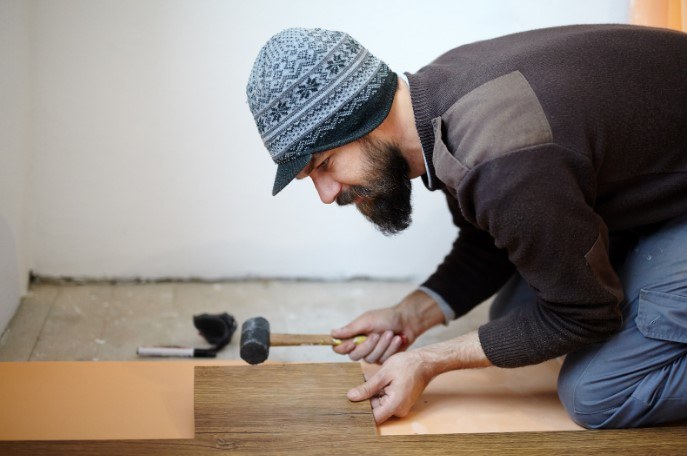
The most useful step before hiring anyone is pulling up one loose tile or a transition strip to see what is underneath. Thin-set on a slab, backer board on plywood and a thick mud bed are three different jobs at three different prices. Bring that, plus room sizes and the next floor type, to any estimate. Tampa Bay Floors offers free estimates, and an on-site look confirms the setting method and any hollow spots before work starts.
Tampa Bay Floors is licensed and insured, based in St. Petersburg and serving the wider Tampa Bay area for residential and commercial projects. Details on their tile demolition, prep and installation work are at https://tampabayfloors.us/.