
Integrated Treatment Plans for Managing Bipolar Disorder and Anxiety
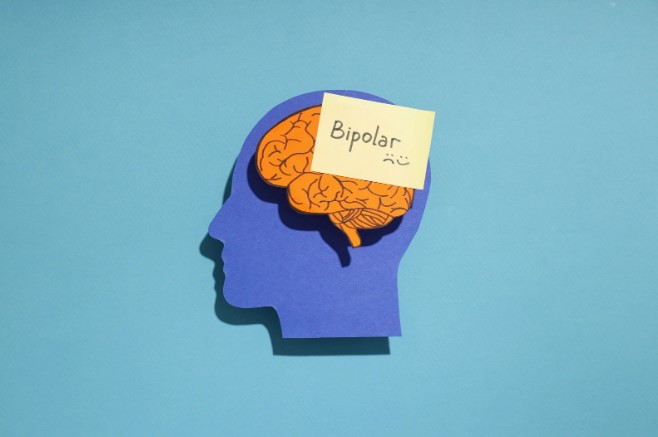
Bipolar disorder and anxiety are two of the most prevalent mental health challenges affecting individuals across Florida. These conditions often intertwine, amplifying each other's symptoms and complicating recovery paths. Effective care must recognize how mood swings, persistent worry, and panic attacks can co-occur and require multifaceted support. For those seeking advanced bipolar and anxiety treatment URP Behavioral Health provides information about evidence-based, integrated approaches that are commonly used in the treatment of bipolar disorder and anxiety, emphasizing the importance of individualized care.
Understanding the Link Between Bipolar Disorder and Anxiety in Florida
Bipolar disorder, known for its significant mood shifts from mania to depression, frequently overlaps with anxiety disorders, including generalized anxiety, panic disorder, and social anxiety. Recent studies suggest that over half of individuals diagnosed with bipolar disorder will experience some form of clinically significant anxiety during their lifetime. This comorbidity challenges both diagnosis and treatment, often leading to increased symptom severity, higher relapse rates, and a longer road to stability.
In Florida, the interplay between environmental stressors—such as hurricane threats or lifestyle pressures—can exacerbate both bipolar and anxiety symptoms. Sleep disruption, substance use, and seasonal changes may also intensify mood instability and anxious episodes. Recognizing these patterns is crucial for timely intervention.
Because the presence of anxiety can obscure the classic presentation of bipolar mood episodes, clinicians working in Florida's diverse communities rely on thorough assessments and ongoing monitoring. Early identification of overlapping symptoms allows for the design of effective, integrated care plans which address both mood and anxiety concerns simultaneously. Individualized treatment is essential because each person's symptom profile, history, and response to interventions vary widely.
Beyond diagnostic complexity, the stigma surrounding mental health still persists in many Florida communities. Accessing professional help at a specialized facility—supported by family and community resources—can significantly impact long-term wellness. Many individuals find that addressing both bipolar disorder and anxiety in a coordinated way can support long-term stability, although outcomes vary.
Integrated Treatment Approaches at Leading Florida Mental Health Centers
Integrated treatment plans do not offer a one-size-fits-all solution. Instead, successful programs blend the latest psychiatric, psychotherapeutic, and psychosocial interventions so that individuals benefit from a seamless continuum of care. In Florida, this means leveraging a network of experienced professionals—psychiatrists, therapists, nurses, and case managers—who communicate closely and monitor progress in real-time.
Medication management is often part of treatment plans, with mood stabilizers like lithium or certain anticonvulsants frequently used in clinical practice to help manage mood swings. Anti-anxiety medications may also be considered, depending on individual needs and clinical assessment. Polypharmacy risks are minimized through regular coordination between medical providers, tailored to avoid drug interactions and side effects that could worsen symptoms.
Cognitive behavioral therapy (CBT) is widely utilized for both mood regulation and anxiety reduction. This evidence-based therapy teaches individuals to identify distorted thinking patterns, develop healthy coping strategies, and build resilience against triggers. Other therapeutic modalities frequently incorporated include dialectical behavior therapy (DBT), mindfulness-based cognitive therapy (MBCT), and family-focused interventions. Each method is individually evaluated for effectiveness and appropriateness.
Psychoeducation empowers individuals and their families with knowledge about symptom warning signs, medication adherence, and effective communication strategies. Group therapy fosters a sense of community, while skills-building sessions promote confidence and independence. Wellness practices—from structured sleep routines to stress-management workshops—support holistic healing.
The collaborative nature of these programs is especially valuable for residents of Florida, where local support networks and access to outdoor activities can reinforce treatment gains. URP Behavioral Health mental health facilities in Florida are known for implementing comprehensive programs that address the dual diagnosis of bipolar disorder and anxiety, wing on commonly used therapeutic tools that have shown effectiveness in clinical studies, with the goal of supporting recovery and emotional bala.
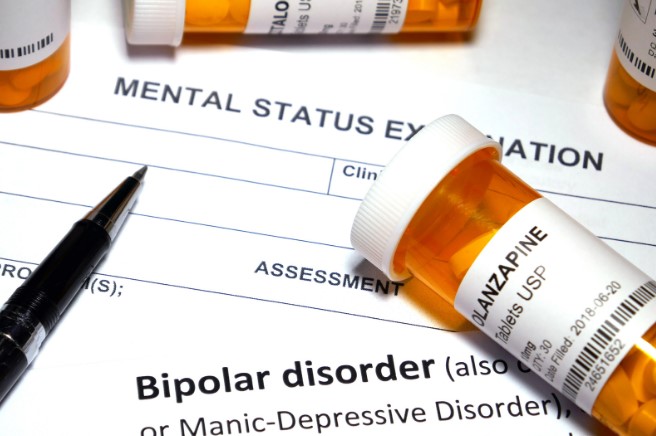
Navigating Insurance and Access to Care for Bipolar Disorder and Anxiety
Securing treatment for co-occurring bipolar disorder and anxiety shouldn’t be hindered by financial barriers. In Florida, insurance coverage plays a significant role in determining access to high-quality mental health treatment. Understanding available options streamlines the path to care.
URP Behavioral Health https://urpbehavioralhealth.com/insurance/nyship/ makes navigating insurance coverage for comprehensive mental health services more manageable for Florida residents, whether through employer-sponsored plans, private insurance, or public assistance programs. The following aspects are key when exploring coverage for integrated mental health treatment:
- Verify specific mental health benefits with your insurance provider, including coverage for in-network and out-of-network facilities.
- Review the range of services included, such as psychiatric evaluation, therapy sessions, medication management, and aftercare.
- Check if your plan covers telehealth options or in-person visits, vital for flexibility in ongoing care.
- Clarify requirements for prior authorization or referrals, which can affect the start of your treatment.
- Understand co-pays, deductibles, and out-of-pocket maximums, so you can plan for financial responsibility confidently.
- Utilize support staff at your chosen treatment facility to navigate the authorization and billing process efficiently.
Comprehensive insurance support is a vital component for families in Florida, helping individuals access interdisciplinary care options that may support improved outcomes, depending on their unique situation.
Lifestyle Strategies for Managing Bipolar Disorder and Anxiety in Florida
Lifestyle modifications are a cornerstone in maintaining mental health stability. The unique climate and cultural vibrancy of Florida offer both benefits and challenges for those managing bipolar disorder and anxiety. Engaging in regular physical activity—such as walking on Florida’s scenic trails or swimming in the ocean—can help regulate mood and stress levels. Developing a consistent daily routine, prioritizing restorative sleep, and practicing mindfulness can prevent relapse and support emotional resilience.
Diet also plays a role; a balanced, nutrient-rich plan supports brain health. Avoiding excessive caffeine, alcohol, or recreational drugs reduces the likelihood of mood swings or anxiety spikes. Social connections, whether through support groups, faith communities, or recreational organizations, provide encouragement and accountability throughout the recovery journey.
Partnering with mental health professionals for ongoing check-ins and medication reviews ensures that treatment remains effective as seasonality, life events, or stressors evolve. Florida’s diverse resources mean that individuals can personalize self-care routines that complement their clinical treatment plan.
The Importance of Comprehensive, Individualized Care in Florida
Combining psychiatric expertise, therapeutic innovation, and community support, integrated treatment plans for those with bipolar disorder and anxiety offer Florida residents the highest standard of care. The synergy of medical management, counseling, family involvement, and lifestyle coaching aims to support individuals in working toward stability and improving quality of life, recognizing that experiences and results vary. For those seeking a pathway to lasting recovery, pursuing a tailored plan that addresses the totality of one’s needs is vital.